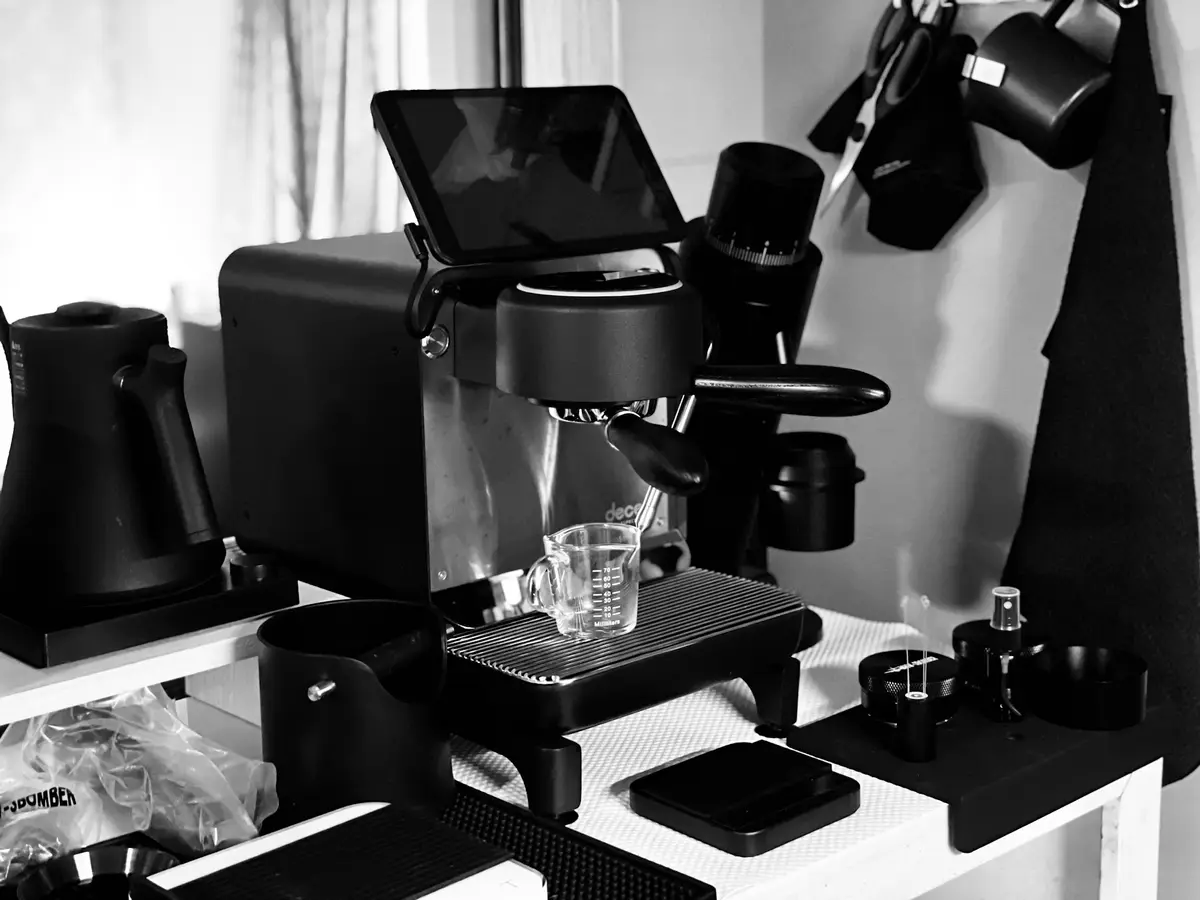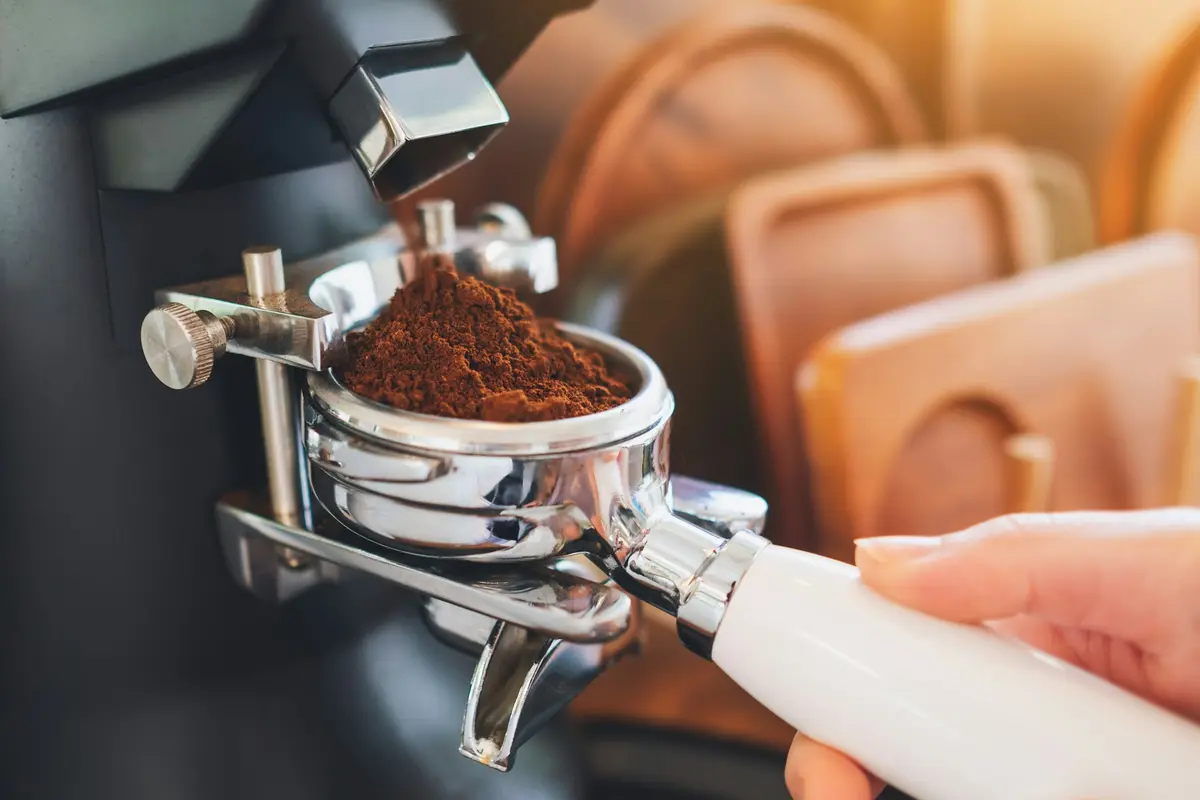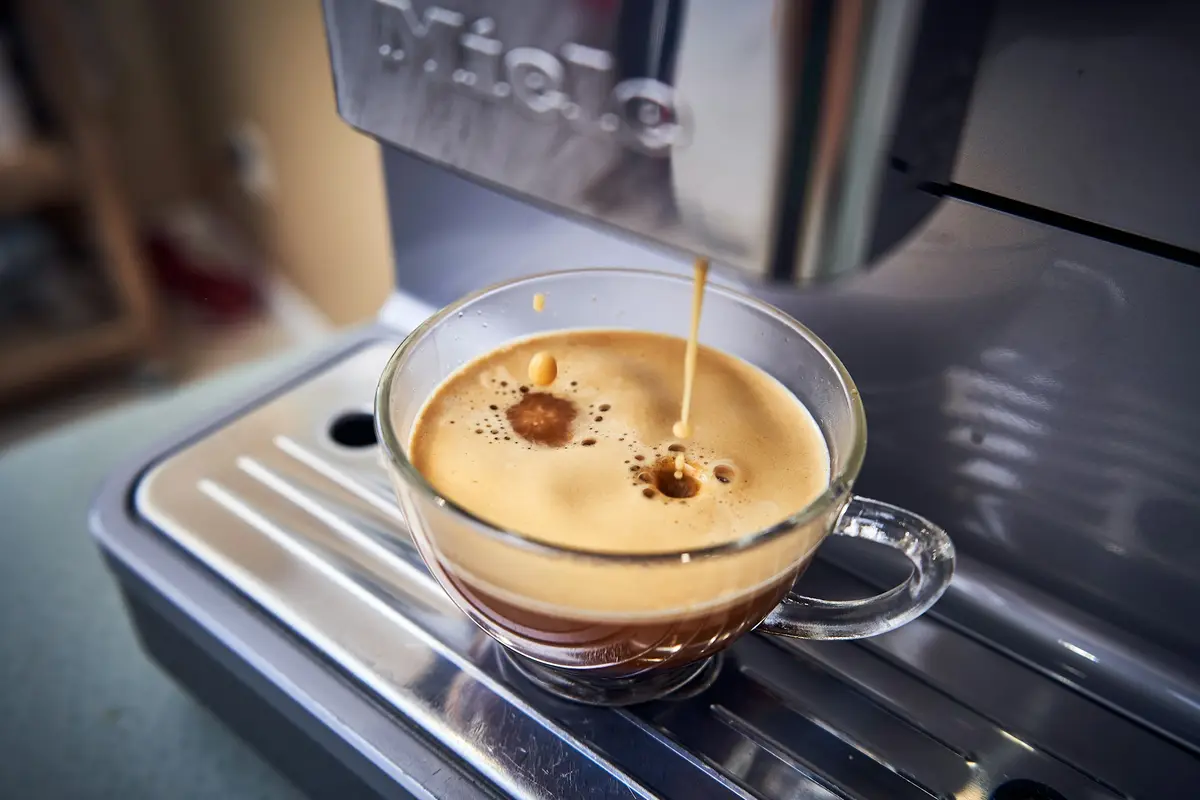
Both make espresso and milk drinks from fresh beans. The difference is who does the work. A bean-to-cup machine grinds, doses, tamps, brews and usually froths milk at one touch. A manual espresso machine leaves those steps to you, in exchange for better coffee and more control.
Side by side
| Bean-to-cup | Espresso machine + grinder | |
|---|---|---|
| Effort per drink | One button | Two to five minutes |
| Learning curve | None | A few weeks |
| Espresso quality | Good, very consistent | Can be excellent |
| Milk drinks | Automatic on most models | You steam by hand, or buy an automatic wand |
| Daily cleaning | Milk system, drip tray, grounds drawer | Portafilter, steam wand, counter |
| Mess | Very little | Some: grounds and puck |
| Best for | Busy households, several drinkers | People who enjoy the craft |
Choose bean-to-cup if…
- Several people want different drinks and nobody wants to learn.
- You drink mostly lattes and cappuccinos and value speed.
- Consistency from cup to cup matters more than the best possible shot.
Our picks: The Best Bean-to-Cup Coffee MachinesRead the guide
Choose an espresso machine if…
- You want the richest, sweetest espresso your budget allows.
- You enjoy adjusting grind, dose and timing, and like latte art.
- You want a machine and grinder you can upgrade separately.
Where to start: The Best Espresso Machines for BeginnersRead the guide
The middle ground
Machines such as the Breville Oracle Jet automate grinding, tamping and milk while keeping a real portafilter. They cost as much as premium automatics but give espresso closer to a café’s.